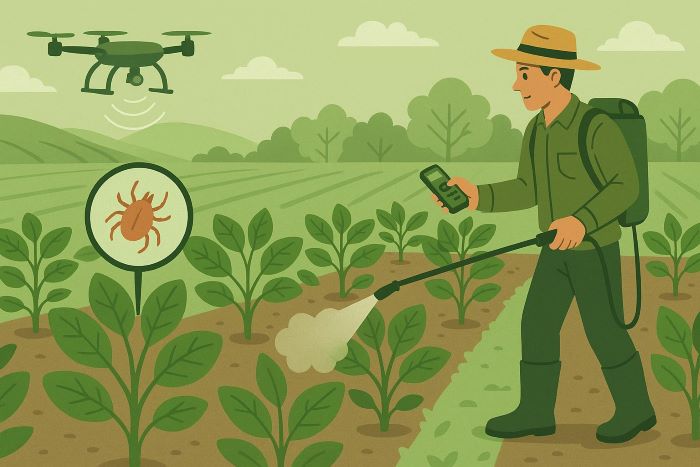
In 2025, farmers are increasingly adopting new methods and tools to tackle the persistent problem of caterpillar infestations. Caterpillars, particularly those of species like the cotton bollworm, the corn earworm, and the cabbage worm, are notorious for their destructive impact on crops. The conventional methods of pest control, primarily focusing on chemical insecticides, are becoming less effective over time due to the rising resistance among pest populations and the negative environmental impact. This is where dual-mode caterpillar control comes into play, offering a solution that combines the strengths of both chemical and biological control systems.
Farmers are recognizing that this integrated approach provides a more sustainable, efficient, and cost-effective way to manage caterpillar pests. In this blog, we will explore why 2025 farmers are making the switch to dual-mode caterpillar control, the benefits it offers, and how this method is transforming pest management in agriculture.
The Changing Landscape of Pest Management
The Challenges of Traditional Insecticide Use
For many years, insecticides have been a mainstay of pest control. However, abuse of these chemicals has led to a range of difficulties, including the development of insect resistance, non-target impacts, and contamination of soil and water systems. Traditional chemical treatments for caterpillars are becoming less successful due to the rise in resistant populations. Additionally, non-selective insecticides can harm beneficial insects, including pollinators and natural pest predators, disrupting the ecosystem's overall balance.
According to research conducted by the Food and Agriculture Organisation (FAO), pesticide resistance in insects has increased by over 60% in the past 15 years, and this trend shows no signs of slowing. The growing difficulty in managing caterpillars with chemical solutions alone is one of the key reasons farmers are seeking new, more sustainable alternatives.
The Shift Towards Sustainable Pest Management
Sustainability is becoming a central focus in the agricultural sector. Modern farming practices emphasise minimising chemical use, protecting the environment, and maintaining long-term soil and crop health. This shift towards sustainability has made integrated pest management (IPM) a popular choice for farmers worldwide. IPM incorporates a variety of pest control methods, with biological control playing a significant role.
Dual-mode caterpillar control combines chemical and biological methods to target caterpillars effectively. This approach offers several advantages over traditional chemical-only strategies, including reduced resistance, decreased environmental impact, and better protection for beneficial species.
What is Dual-Mode Caterpillar Control?
Combining Chemical and Biological Control
Dual-mode caterpillar control involves the use of both chemical insecticides and biological agents to manage cater. The two modes of action complement each other, offering a more comprehensive solution to pest control. Here’s a breakdown of how each mode works:
- Chemical Insecticides: These products rapidly eliminate caterpillar populations by disrupting their nervous systems. While they are effective, over-reliance on chemical insecticides can lead to resistance and environmental damage. However, when used strategically in a dual-mode system, they provide immediate control of pest populations.
- Biological Control Agents: These include natural enemies of caterpillars, such as parasitoid wasps, nematodes, and specific fungal pathogens. Biological control offers a more sustainable, long-term solution, as these agents continue to suppress caterpillar populations after the initial treatment. Additionally, biological control agents are more specific to the target pests, reducing the impact on non-target organisms and promoting ecological balance.
Why is Dual-Mode Control So Effective?
The combination of these two approaches offers several benefits, making dual-mode caterpillar control a more effective solution than relying on a single method alone. Here’s why:
- Reduced Resistance: By alternating or combining chemical and biological control methods, pests are less likely to develop resistance to either approach. The chemical insecticide provides immediate knockdown, while the biological agents continue to suppress the pest population over time, reducing the risk of resistance.
- Extended Pest Control: Chemical insecticides typically provide short-term protection, whereas biological control agents can persist in the environment and continue working for weeks or even months, offering prolonged pest suppression.
- Targeted Approach: Biological control agents are highly specific to their host pests, allowing them to target caterpillars without harming other beneficial species. This helps protect pollinators, natural predators, and other essential organisms in the ecosystem.
- Environmental Safety: Biological control methods are generally safer for the environment compared to chemical insecticides, which can cause harm to soil health, water quality, and biodiversity. Integrating both methods minimizes the need for widespread pesticide use, reducing the environmental footprint of pest management.
Buy Dhanuka EM-1 for caterpillar control
Consider purchasing Dhanuka EM-1 for caterpillar control if you're a farmer looking for an effective biological control solution. Designed to target caterpillar pests successfully, this solution offers an eco-friendly alternative to chemical management. You can reduce your reliance on chemicals while maintaining complete control over caterpillar infestations by incorporating biological agents into your pest management plan.
The Benefits of Switching to Dual-Mode Caterpillar Control
1. Improved Crop Yields
Minimizing crop damage is one of the primary objectives of pest management, and dual-mode caterpillar control is highly effective in achieving this. By consuming leaves, stems, and fruit, caterpillars can cause significant harm to plants by reducing photosynthesis and stunting their growth. Infestations can result in total crop loss in extreme circumstances. Farmers may better safeguard their crops and ensure healthy growth and higher harvests by employing dual-mode control.
According to a study by the International Food Policy Research Institute (IFPRI), farmers who adopted dual-mode pest control systems experienced an average yield increase of 18% in crops such as cotton and maize. This increase was largely due to the reduction in pest damage and the improvement in pest suppression over time.
2. Cost-Effectiveness
The long-term advantages of using a dual-mode system significantly outweigh the initial costs, even if it may initially seem more expensive than using only chemical pesticides. Farmers can cut their pesticide costs by using fewer chemicals, particularly when biological control agents are used to maintain pest suppression over time. Furthermore, higher yields from healthier crops translate into higher profitability.
Long-term pest management expenses are also decreased by the decrease in pesticide resistance and the requirement for fewer reapplications. Furthermore, farmers may experience fewer crop illnesses and a more sustainable farming system as a result of a cleaner environment resulting from the decreased use of chemicals.
3. Enhanced Environmental Sustainability
Farmers are becoming increasingly aware of the impact their actions have on the environment. They may significantly lessen their need on chemical insecticides and improve environmental results by implementing biological control into their pest management plan. Since biological control agents are naturally occurring species that coexist peacefully with the ecosystem, they do not affect the environment.
Additionally, reducing pesticide use helps protect non-target species, such as beneficial insects, birds, and aquatic life, from harm, as well as prevent soil and water contamination. Dual-mode caterpillar control minimizes the environmental impact of pest management, thereby supporting sustainable agriculture.
4. Greater Resistance Management
One of the most significant challenges facing modern pest management is the development of chemical pesticide resistance. Farmers are compelled to employ more potent chemicals when pests develop resistance to pesticides, which only serves to hasten resistance. By combining chemical and biological procedures, dual-mode caterpillar management offers a solution that prevents pests from developing resistance to either treatment.
A stronger defense mechanism is produced when biological agents and chemical insecticides are used together, as the biological agents continue to lower pest populations, while the chemical insecticides provide an instant knockdown. Pests are less likely to become resistant to any control strategy as a result.
The Future of Pest Management: Trends and Innovations
Advancements in Biological Control
The biological control industry is evolving rapidly as new products and technologies are developed to target a broader range of pests. For instance, genetically modified organisms (GMOs) that are more effective in controlling specific pests are being developed as a result of advancements in genetic engineering and biotechnology. These developments may increase bthe efficacy of iological control's efficacy and lessen the demand for chemical pesticides.
Farmers now have more alternatives for sustainable pest management because to growing research into microbial agents, parasitoids, and natural predators. The effectiveness and affordability of dual-mode control systems will continue to be enhanced by these developments.
Smart Agriculture and Precision Pest Management
The development of innovative agriculture technologies is also directly related to the future of pest management. Farmers can now more precisely and effectively identify and eliminate caterpillar infestations thanks to the integration of drones, sensors, and artificial intelligence (AI) into pest monitoring and control systems.
By focusing just on regions that need treatment, precision pest management techniques can help farmers apply pesticides more precisely and use less pesticides overall. This could further enhance the efficacy of dual-mode caterpillar control and support more environmentally friendly agricultural methods.
FAQs
Q: What types of caterpillars can dual-mode control manage?
A: Dual-mode caterpillar control is effective against a wide range of caterpillar pests, including cotton bollworm, corn earworm, cabbage worm, and loopers. The specific combination of chemical and biological agents can be tailored to target the pests affecting your crops.
Q: How long do biological control agents take to show results?
A: The time it takes for biological control agents to show results depends on the pest species, the environmental conditions, and the agent used. Generally, biological control agents provide long-term suppression, with results becoming visible within a few days to weeks.
Q: Are there any risks associated with dual-mode caterpillar control?
A: When used according to the manufacturer's instructions, dual-mode caterpillar control is safe for the environment and non-target organisms. However, it is essential to follow proper application guidelines to ensure the effectiveness and safety of both chemical and biological control methods.
Q: Is dual-mode caterpillar control more expensive than traditional insecticide treatments?
A: While the initial cost may be higher, dual-mode control can be more cost-effective in the long run. The reduced reliance on chemical insecticides, along with improved pest suppression and increased crop yields, makes this approach a more economical option in the long term.
In the battle against caterpillar pests, the use of dual-mode caterpillar management is revolutionary. Farmers may manage pests more effectively, sustainably, and economically by combining the advantages of chemical and biological control techniques. Dual-mode systems are anticipated to become increasingly more important in determining the direction of agriculture in the future as long as innovation and improvements in pest management technology continue.